Ozonēšanas risinājumi pēc rūpnieciskā procesa

Izvēlieties procesu, kuru nepieciešams izvērtēt. Priekšlikumu sākam ar objekta darba apstākļiem, noteiktu mērķi un vajadzīgajiem pārbaudes datiem.

Guolin Latvia kontakti – rūpniecisko iekārtu un ūdens attīrīšanas risinājumi
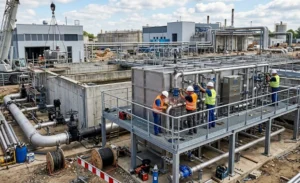
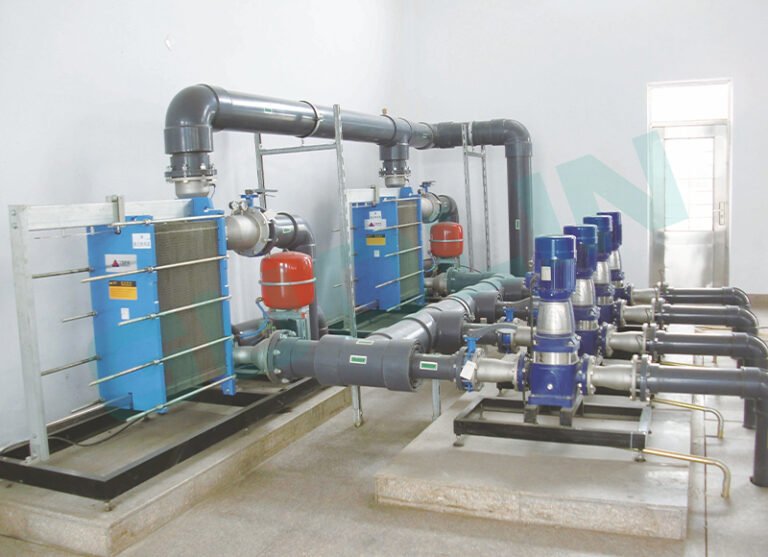
Procesa ūdens

Nosakiet, vai plūsma ir neapstrādāts ūdens, procesa ūdens vai atkārtoti izmantojama plūsma.

DALLE2_1 (2)
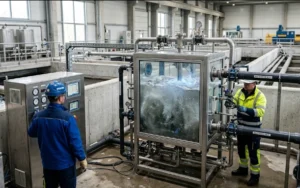
Rūpnieciskie notekūdeņi

Pirms oksidācijas uzdevuma noteikšanas atdaliet ražošanas partijas, mazgāšanas izplūdes un koncentrētās blakusplūsmas.

DALLE2_1 (1)
Komunālo notekūdeņu attīrīšana

Papildu pakāpi vērtē pēc faktiskās bioloģiski attīrīto notekūdeņu plūsmas, ne tikai visas stacijas ieplūdes.
DALLE2_1 (1)
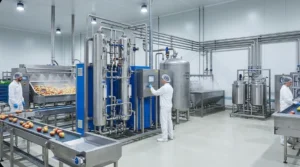
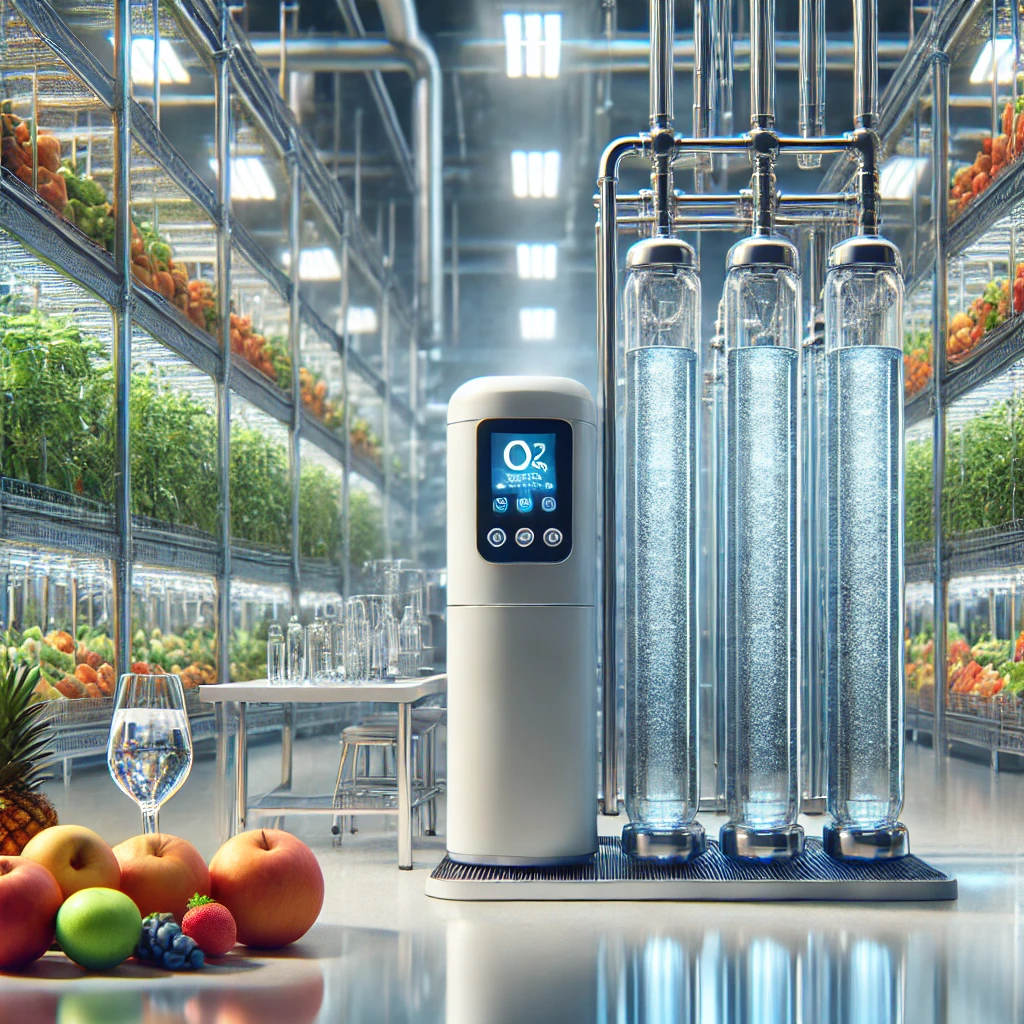
Pārtikas un dzērienu ražošana

Sāciet ar konkrēto ūdens lietojumu: sastāvdaļu ūdens, atsevišķs mazgāšanas kontūrs, iekārtu skalošana vai notekūdeņi.

Ozons akvakultūras ūdens attīrīšanai un ūdens kvalitātes uzlabošanai recirkulācijas sistēmās
Akvakultūra

Norādiet sugu, attīstības stadiju, saldūdens vai sālsūdens apstākļus, recirkulācijas un papildūdens plūsmu, daļiņu slodzi un biofiltra shēmu.

Uzlabotā oksidācija ūdens attīrīšanai rūpniecībā
Uzlabots oksidācijas process novērš mikroaizsārņotājus

Ozons atsevišķi un tā kombinācija, piemēram, ar ūdeņraža peroksīdu ir atšķirīgi procesa varianti.

Ozona apstrāde ābolu mazgāšanā rūpnieciskajā vidē
Ābolu mazgāšana

Augsne, sula un augu atliekas dažādās partijās maina ūdens slodzi.

Kaitīgo aļģu ziedēšanas kontrole ar ozona apstrādi ūdens kvalitātes uzlabošanai
Kontrole un noturība pret kaitīgo aļģu ziedēšanu

Ziedēšana avotā, neskartas šūnas, izšķīduši toksīni un garšas vai smakas savienojumi ir atšķirīgi analītiski uzdevumi.

Ozons notekūdeņu krāsas samazināšanai un ūdens atkārtotai izmantošanai rūpniecībā
Ozons efektīvi noņem krāsu piesārņotājus

Norādiet krāsas avotu, mērīšanas metodi un parauga sagatavošanu.

Ozons skerdētavu dezinfekcijai – tīrība, smaku kontrole un droša vide ražošanā
Ozons kautuvju notekūdeņu apstrādē

Asinis, taukus, cietās vielas un mazgāšanas izplūdes raksturo atsevišķi.

Ozons mikroaizsārņotāju noņemšanai notekūdeņos un ūdens kvalitātes uzlabošanai
Ozons mikroaizsārņotāju noņemšana

Iesniedziet mērķsavienojumu sarakstu, analītiskās noteikšanas robežas, sākuma koncentrācijas un gala mērķi.

47fbce9a6655bfa3c7ff23402900cf23
Ozons rūpniecisko smaku kontrolei

Aprakstiet rūpniecisko avotu un savākšanu.

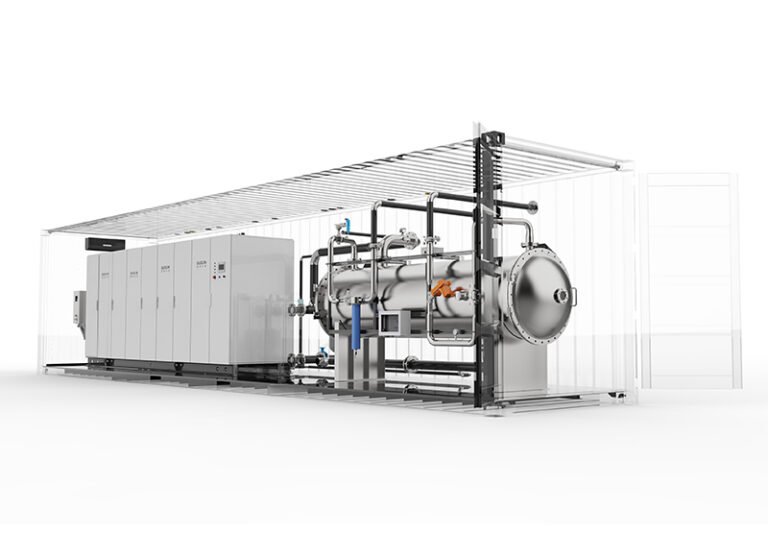
Containerized Ozone Integrated
Graudu ozonēšana: izmērāma izmēģinājuma plāns

Sēnes dzīvotspēja, bojāto graudu daļa un konkrēta mikotoksīna koncentrācija ir atšķirīgi mērījumi.
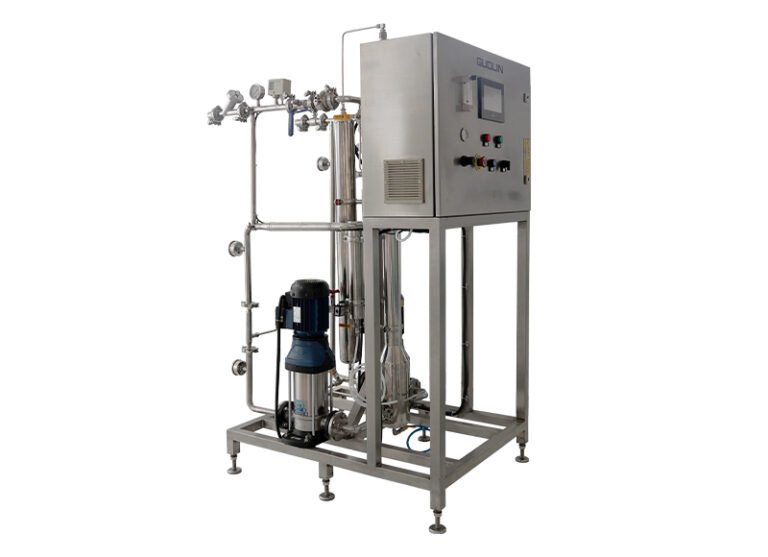
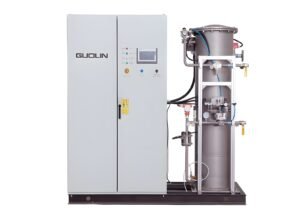
High Concentration Ozone Water Machine
Ozonēts ūdens piena iekārtu higiēnai

Aprakstiet slaukšanas vai piena pārstrādes iekārtu, produkta nogulsnes, esošo CIP ciklu, ūdens kvalitāti, temperatūru un materiālus.

Short Description

Did you know that dangerous pesticides in water can be difficult to remove using conventional methods?
Ozone and hydrogen peroxide provide an innovative solution that effectively destroys pollutants, ensuring
clean and safe water. Discover how this advanced technology can solve water contamination issues!

Advanced Oxidation: How Ozone Can Solve Water Contamination Issues

Modern water supply systems face an increasing challenge from pesticides and other micropollutants.
Traditional water treatment methods, such as activated carbon filtration, are not always effective against
certain persistent chemicals. One promising solution is the Advanced Oxidation Process (AOP), where ozone
combined with hydrogen peroxide effectively breaks down contaminants.

For example, metaldehyde – a difficult-to-remove pesticide often found in surface waters. By applying ozone
together with hydrogen peroxide, significant degradation of this compound can be achieved while reducing
the risk of bromate formation. This method ensures compliance with strict EU regulations while maintaining
an efficient and cost-effective water treatment process.

Experimental studies have shown that an optimal ozone dosage of 8 g/m³ combined with hydrogen peroxide
concentrations of 16–22 ppm efficiently removes metaldehyde and keeps bromate levels below 3 µg/L.

In conclusion, ozone-based advanced oxidation is one of the most effective solutions for tackling water
contamination, offering both environmental and economic benefits.

Ozona apstrāde ābolu mazgāšanā rūpnieciskajā vidē

Short Description

Ozone treatment in apple washing is a modern and eco-friendly solution. It eliminates bacteria, removes organic residues, and reduces water consumption. Learn how ozonation can help maintain the highest hygiene standards!

The Role of Ozone in Apple Washing: A Sustainable and Effective Solution…

Kaitīgo aļģu ziedēšanas kontrole ar ozona apstrādi ūdens kvalitātes uzlabošanai

Short Description

The use of ozone in combating harmful algal blooms. Causes, environmental and human health impacts, advantages of ozone in water treatment, and practical applications of ozone in various water purification systems.

Addressing Harmful Algal Blooms with Ozone: A Sustainable Solution…

Ozons notekūdeņu krāsas samazināšanai un ūdens atkārtotai izmantošanai rūpniecībā

Short Description

Did you know that industrial paper production can reduce fresh water consumption by up to 50%? Ozone oxidation is an innovative solution that efficiently removes color pollutants and allows water reuse in production processes. Discover how this technology helps minimize environmental impact and conserve water resources!

Short Description

Industrial wastewater poses a significant risk to the environment and public health. Ozone oxidation is a modern and effective method that eliminates color pollutants, reduces foaming, and destroys harmful microorganisms. Discover how this technology ensures cleaner and safer water!

Ozone Oxidation

Ozone Oxidation – An Effective Solution for Industrial Wastewater Treatment

Industrial wastewater is one of the most significant environmental pollution challenges. Industries such as textiles, paper, mechanical processing, and food production consume large amounts of water, and their wastewater is often contaminated with dyes, surfactants, and other persistent chemicals. These substances not only degrade water quality but also pose a threat to ecosystems and public health.

One of the major issues is the presence of colored and foaming wastewater, which limits natural self-purification processes and reduces light penetration in rivers and lakes. Traditional biological treatment methods often fail to efficiently remove these pollutants, necessitating the use of advanced treatment solutions.

Ozone oxidation is an innovative and highly effective method that breaks down organic substances, eliminates pathogenic microorganisms, and reduces both coloration and foaming in wastewater. Experimental studies have shown that an ozone dosage of 10–20 mgO3/l can completely remove color pollutants, decrease surfactant concentrations, and significantly reduce bacterial presence, including E. coli.

This method not only ensures compliance with wastewater treatment standards but also enables the possibility of water reuse for industrial or civil applications. It is a sustainable and environmentally friendly solution that helps reduce pollution and conserve valuable water resources.

Ozons skerdētavu dezinfekcijai – tīrība, smaku kontrole un droša vide ražošanā

Short Description

Ozone treatment in slaughterhouse wastewater management is an efficient and eco-friendly solution. It breaks down organic pollutants, eliminates bacteria, and reduces water contamination. Learn how ozone can help meet strict environmental regulations!

Ozone-Based Wastewater Treatment in Slaughterhouses: A Sustainable Solution…

Ozons akvakultūras ūdens attīrīšanai un ūdens kvalitātes uzlabošanai recirkulācijas sistēmās

Short Description

Aquaculture faces major challenges such as water pollution, disease outbreaks, and oxygen depletion. Ozone is an innovative solution that enhances water quality, eliminates pathogens, and reduces organic pollutants. Discover how ozone oxidation can optimize aquaculture operations and boost efficiency!

Ozone in Aquaculture

Ozone in Aquaculture – An Advanced Solution for Water Quality Improvement and Disease Prevention

Aquaculture is becoming an increasingly vital part of sustainable food production, yet it faces numerous challenges. The cultivation of fish and other aquatic organisms requires high-quality water to ensure their health and optimal growth conditions. However, intensive farming can lead to water pollution, disease outbreaks, and environmental imbalances.

Water quality is a key factor in aquaculture success, influencing oxygen levels, the formation of toxic compounds, and pathogen spread. To achieve effective disinfection and water purification, ozone oxidation is widely used. Ozone eliminates bacteria, viruses, fungi, and other microorganisms while also helping to remove organic pollutants, nitrites, odors, and coloration.

Ozone oxidation is particularly beneficial in Recirculating Aquaculture Systems (RAS), where water is continuously recycled. Using ozone reduces dissolved organic matter, improves oxygen levels, and decreases the concentration of harmful compounds such as 2-MIB and geosmin. This helps create optimal conditions for fish growth and lowers mortality rates.

Additionally, ozone plays a crucial role in live fish transport by maintaining hygienic conditions in well boats, disinfecting water intake and discharge systems, and reducing disease transmission risks. This method is also widely applied in shellfish depuration and large-scale aquarium maintenance.

Ozone oxidation is a sustainable and environmentally friendly technology that minimizes the need for chemical treatments while ensuring a healthy aquatic ecosystem. It not only reduces water pollution but also optimizes aquaculture farm operations, leading to greater productivity and lower operational costs.

Short Description

Did you know that advanced water treatment solutions can reduce water consumption in the food industry by up to 50%? Ozone is one of the most effective ways to ensure a hygienic and safe production process without chemical residues. Discover how ozone oxidation can enhance product quality and support environmental sustainability!

Sustainable Water Solutions

Sustainable Water Solutions for the Food and Beverage Industry

The food and beverage industry faces increasing challenges in water resource management. With growing regulatory demands and environmental standards, companies must optimize water usage, reduce pollution, and improve production efficiency. One of the most innovative solutions is advanced oxidation processes, such as ozone disinfection and filtration, which effectively treat water and wastewater.

Water Treatment Challenges in Food Production

Water used in food production must meet the highest quality standards to prevent microbial contamination. This is particularly critical in industries such as juice and bottled water production, dairy processing, and meat and seafood industries. Traditional treatment methods often rely on high chemical and energy use, increasing operational costs.

Ozone – An Innovative Solution

Ozone is one of the most advanced water disinfection and purification technologies. It destroys bacteria, viruses, fungi, and other pathogens without leaving chemical residues. Additionally, it efficiently breaks down organic matter, removes odors and discoloration, making it particularly valuable for wastewater treatment and water reuse in production.

Benefits for the Food and Beverage Industry

Safer Products: Ensures that production water meets the highest hygiene standards.
Lower Operating Costs: Ozone disinfection reduces chemical and energy consumption.
Environmentally Friendly: Reduces pollution and water consumption.

The future of food and beverage production relies on sustainable water treatment solutions. Ozone oxidation not only ensures product quality but also contributes to the conservation of natural resources.

Short Description

Micropollutants pose a serious threat to water ecosystems and human health. Traditional treatment methods often fail to remove pharmaceutical residues, pesticides, and other contaminants. Ozone oxidation is an effective solution that eliminates these substances, ensuring cleaner water for future generations.

Ozone Oxidation

Ozone Application for Micropollutant Removal in Wastewater Treatment

Modern municipal and industrial wastewater treatment plants face a growing challenge – organic micropollutants that are difficult to remove using traditional methods. Pharmaceutical residues, hormones, pesticides, and industrial chemicals enter wastewater, posing risks to water ecosystems and human health.

The Problem of Micropollutants in the Water Cycle

Many conventional wastewater treatment plants are not efficient at removing micropollutants. Substances such as pharmaceutical residues, cosmetic ingredients, flame retardants, and agricultural chemicals are not fully broken down by biological treatment processes. As a result, these pollutants can re-enter the environment through treated effluent and eventually contaminate drinking water sources.

Ozone Oxidation – An Advanced Solution

Ozone is one of the most effective methods for removing micropollutants from wastewater. It oxidizes chemical compounds, breaking them down into less harmful substances. This method ensures a higher level of purification, as ozone not only eliminates bacteria and viruses but also degrades pharmaceutical and organic pollutants.

Practical Applications and Economic Benefits

For example, an ozone oxidation system used in a wastewater treatment plant with a flow rate of 180 l/s and an ozone dosage of up to 15 mg/l can effectively remove over 90% of pharmaceutical and organic contaminants. This allows for high-quality treated water while reducing the need for chemical treatment, lowering operational costs.

Ozone is a modern, efficient, and environmentally friendly solution that helps municipalities and industries achieve higher wastewater treatment standards, reducing pollution and ensuring better water quality for future generations.

Short Description

Ozone treatment in wastewater management is a modern and sustainable solution. It effectively eliminates harmful bacteria, breaks down chemical pollutants, and ensures clean water. Discover how ozonation can improve water quality!

The Role of Ozone in Wastewater Treatment: A Sustainable Solution…

Rūpniecisko projektu ceļveži

Izvēlieties jautājumu, kas atbilst jūsu procesam: sistēmas izvēle, ūdens apstrāde, kvalitātes pārbaude vai konkrēta objekta izvērtējums.

Sistēmas izvēle un kontrole

Ģenerators ir tikai viens procesa mezgls. Pircējam jāredz, kā kopā darbojas gāzes sagatavošana, kontakts, mērījumi un atlikušo gāzu apstrāde.

Līdzīga cena vai vienāds g/h skaitlis vēl nenozīmē vienādu piegādi. Salīdzinājumam vajadzīgs kopīgs procesa un atbildību pamats.

Integrācijas kvalitāti nosaka arī cauruļvadi, signāli un cilvēku atbildība. Šos jautājumus izdevīgāk atrisināt pirms ražošanas apturēšanas.

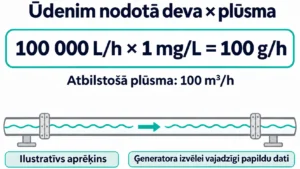
Ilustratīvs ūdenī ievadītās ozona masas aprēķins no izvēlētas devas un ūdens plūsmas.
MI veidota shēma.

Pareizas mērvienības ļauj salīdzināt piedāvājumus. Tās vēl neatrisina jautājumu par procesa piemērotību vai sasniedzamo rezultātu.

Trīs atsevišķi mērījumu uzdevumi: gāzes plūsma, procesa ūdens un darba vides gaiss.
MI veidota shēma.

Analizatora izvēle sākas ar jautājumu, ko un kur nepieciešams mērīt. Viena sensora dati neaizstāj citas vides vai rezultāta pārbaudi.

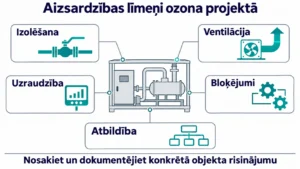
Konceptuāli aizsardzības līmeņi: izolēšana, ventilācija, uzraudzība, bloķējumi un atbildība.
MI veidota shēma.

Drošības funkcijas jāvērtē kā savstarpēji saistīta sistēma. Ar sensora, taimera vai destruktora esamību vien nepietiek procesa aprakstam.

No ģeneratora izvada līdz ūdens paraugam ozona daudzums un apstākļi mainās. Praktiska shēma palīdz noteikt, kas katrā punktā jāpārbauda.

Ūdens un ražošanas līniju procesi

Tehnoloģijas izvēlei vajadzīgs konkrēts ūdens kvalitātes jautājums. Procesa ķēde palīdz noteikt, ko pārbaudīt pirms iekārtas specifikācijas.

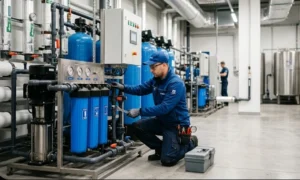
Modernizācija sākas ar esošā procesa diagnostiku. Jāredz gan ūdens ceļš, gan ieviešanas darbi un stacijas darbība to laikā.

Rūpniecisku notekūdeņu lēmumu nosaka konkrēts sastāvs un slodze. Izmēģinājumu veido tā, lai tas atbildētu uz iepirkuma jautājumu.

Viena precīzi aprakstīta ūdens operācija dod labāku pamatu projektam nekā plašs solījums uzlabot visas ražotnes higiēnu.

Ēkas pārvaldnieks var pieņemt skaidrāku lēmumu, nosakot ūdens problēmas vietu, patēriņa maksimumus un katra piedāvātā apstrādes posma funkciju.

Procesu kvalitāte un ekspluatācija

Validācijas plāns sasaista uzņēmuma prasību ar konkrētu pārbaudi. Iekārtas parametri un produkta rezultāti tajā ir atsevišķas pierādījumu daļas.

Mazgāšanas ūdens un gatavais produkts jāvērtē atsevišķi. Vienas kultūras rezultātu nevar automātiski attiecināt uz visu pārstrādes sortimentu.

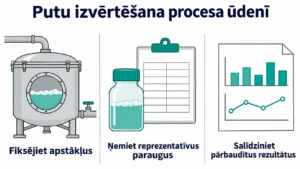
Trīs soļi putu izvērtēšanai procesa ūdenī: pieraksti, paraugi un rezultāti.
MI veidota shēma.

Putu izskats pats par sevi neatklāj cēloni vai higiēnisko rezultātu. Kvalitātes komandai vajadzīgs sasaistīts novērojumu un mērījumu kopums.

Laboratorijas pētījums palīdz formulēt jautājumus, bet neatbild par konkrētu silosu. Izmēģinājumam jāatspoguļo partija un pircēja prasības.

Saimniecības nosaukums vēl nenosaka vienu tehnoloģiju. Projekts sākas ar konkrētu procesu, sezonas ierobežojumiem un pārbaudāmu lēmumu.

Apkopes plāns palīdz operatoram dokumentēt izmaiņas un speciālistam sagatavoties darbam. Intervālus un darbu robežas nosaka konkrētā sistēma.

Rezultāta izmaiņa vēl nenosauc cēloni. Praktiska datu atlase palīdz salīdzināt līdzvērtīgus režīmus un sagatavot mērķētu diagnostiku.

Operācijas ekonomiku nosaka viss darba cikls. Iekārtas darbības laiks vai elektrības patēriņš ir tikai daļa no salīdzināmā procesa.

Gaiss, objekti un specializēti procesi

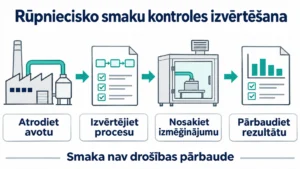
Rūpniecisko smaku izvērtēšana no avota un procesa pārbaudes līdz izmēģinājumam un rezultāta pārbaudei.
MI veidota shēma.

Smakas novērojums palīdz atrast problēmu, bet nav ozona vai visu piesārņotāju mērījums. Tehnisku izvērtējumu sāk ar avotu un plūsmas robežu.

Ventilācijas problēmai vispirms vajadzīga procesa un sistēmas pārbaude. Ozons nav automātisks ikdienas pieplūdes gaisa papildinājums.

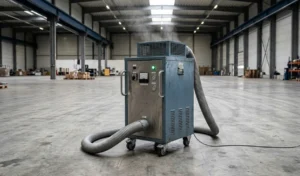
Vienāds kubikmetru skaits vēl nenozīmē vienādu procesa uzdevumu. Halles plāns palīdz savienot tehniskos un darbības ierobežojumus.

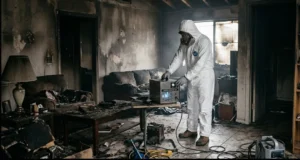
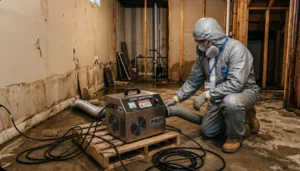
Ozona izvērtējums var attiekties tikai uz noteiktu papildu uzdevumu. Objekta atjaunošana prasa daudz plašāku bojājumu un piesārņojuma pārbaudi.

Ilustrācija ar tehniķi un aprīkojumu ūdens bojātā telpā.
MI veidots ilustratīvs attēls.

Atlikušu smaku vērtē dokumentētā objekta atjaunošanas posmā. Ozons neaizstāj ūdens cēloņa novēršanu vai materiālu izžāvēšanu.

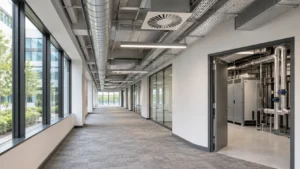
Ilustrācija ar tukšu biroja gaiteni, redzamu ventilāciju un tehnisko telpu.
MI veidots ilustratīvs attēls.

Kopīgs novērojumu reģistrs palīdz ēkas pārvaldniekam, uzkopšanas dienestam un tehniskajiem speciālistiem noteikt cēloni un pamatot nākamo rīcību.

Eļļu ražotājam vajadzīga izsekojama procesa specifikācija un analītiski produkta pieņemšanas kritēriji, uz kuru pamata vērtēt iekārtu piemērotību.

Rediģēta ilustrācija ar tukšu automašīnas salonu un vispārīgu ierīci autoparka procesa izvērtēšanai.
MI veidots ilustratīvs attēls.

Autoparka lēmumam vajadzīgs visas darbplūsmas salīdzinājums — no transportlīdzekļa sagatavošanas līdz pārbaudēm un nodošanai atpakaļ ekspluatācijā.

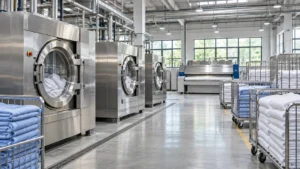
Ilustrācija ar rūpniecisku veļas mazgātavu, lielām mazgāšanas iekārtām un tekstila ratiņiem.
MI veidots ilustratīvs attēls.

Profesionālai veļas mazgātavai vajadzīgs izmēģinājums ar reprezentatīviem izstrādājumiem un skaidru procesa robežu, atsevišķi pārbaudot kvalitāti un paredzēto rezultātu.